Emergency food supply checklist
Ready.gov’s suggested foods and tools, then eight checks before you pay for a kit.
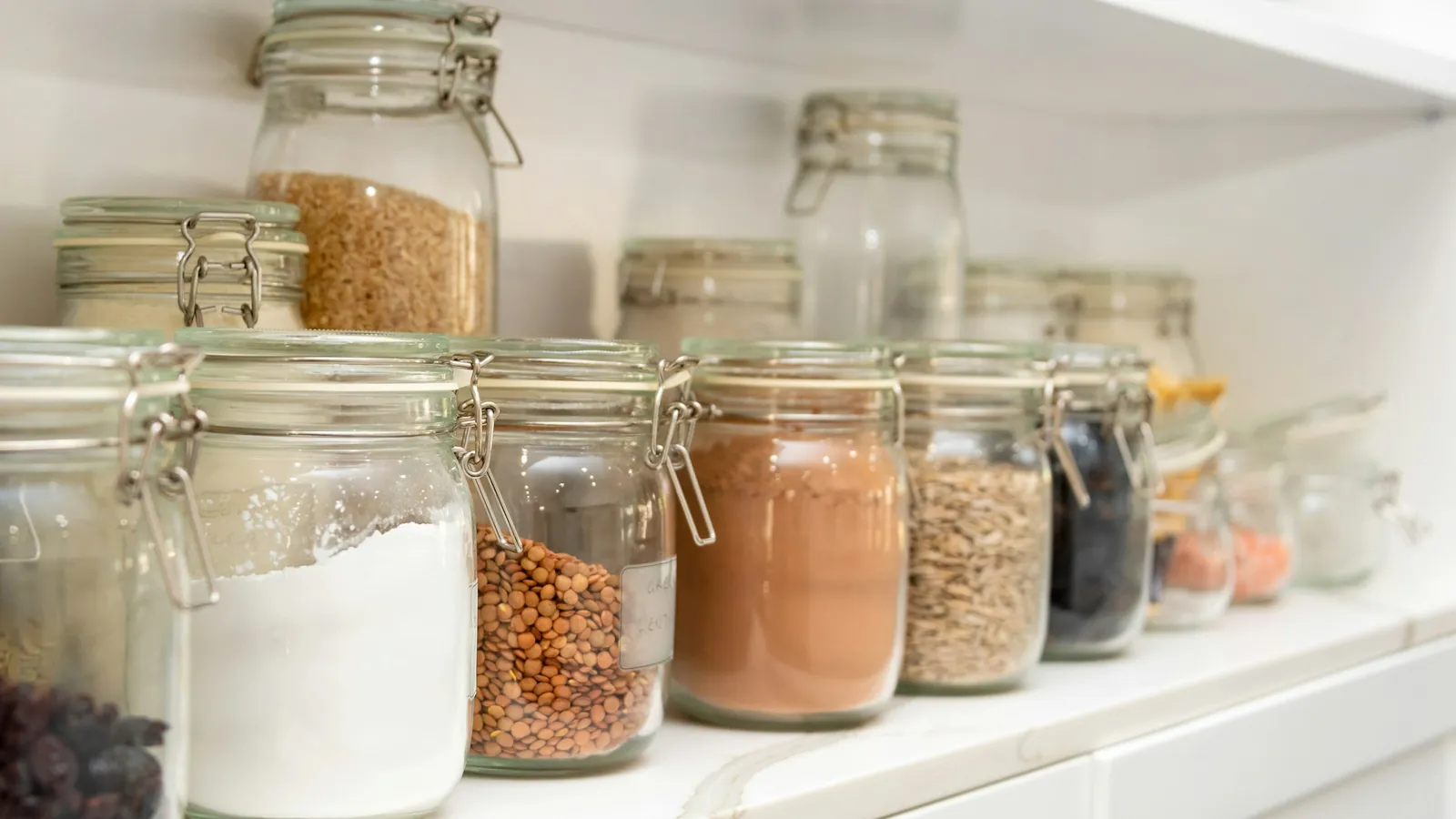
Ready.gov suggests ready-to-eat canned meats, fruits and vegetables with a manual can opener, protein or fruit bars, dry cereal or granola, peanut butter, dried fruit, canned juices, non-perishable pasteurized milk, high-energy foods, food for infants and comfort foods. Before buying a kit, check its total calories, water needed, heat source, allergens, return policy and stock.
Ready.gov’s suggested emergency food supplies
This list is quoted from Ready.gov’s food page (Ready.gov). Ready.gov adds three rules first: store at least a several-day supply of non-perishable food, choose foods your family will eat, and remember any special dietary needs.
- Ready-to-eat canned meats, fruits, vegetables and a can opener
- Protein or fruit bars
- Dry cereal or granola
- Peanut butter
- Dried fruit
- Canned juices
- Non-perishable pasteurized milk
- High-energy foods
- Food for infants
- Comfort/stress foods
Ready.gov also suggests stocking canned foods, dry mixes and other staples “that do not require refrigeration, cooking, water or special preparation”, plus a manual can opener and eating utensils (Ready.gov).
Tools to keep with the food
From Ready.gov’s basic kit list (Ready.gov):
- Water: one gallon per person per day for several days, for drinking and sanitation
- Manual can opener (for food)
- Mess kits, paper cups, plates, paper towels and plastic utensils
- Matches in a waterproof container
- Moist towelettes, garbage bags and plastic ties
Ready.gov also suggests storing kit items in airtight plastic bags and putting the whole kit in one or two easy-to-carry containers, such as plastic bins or a duffel bag (Ready.gov). For food, that means pouches or cans that are easy to lift, rather than one bucket too heavy to move.
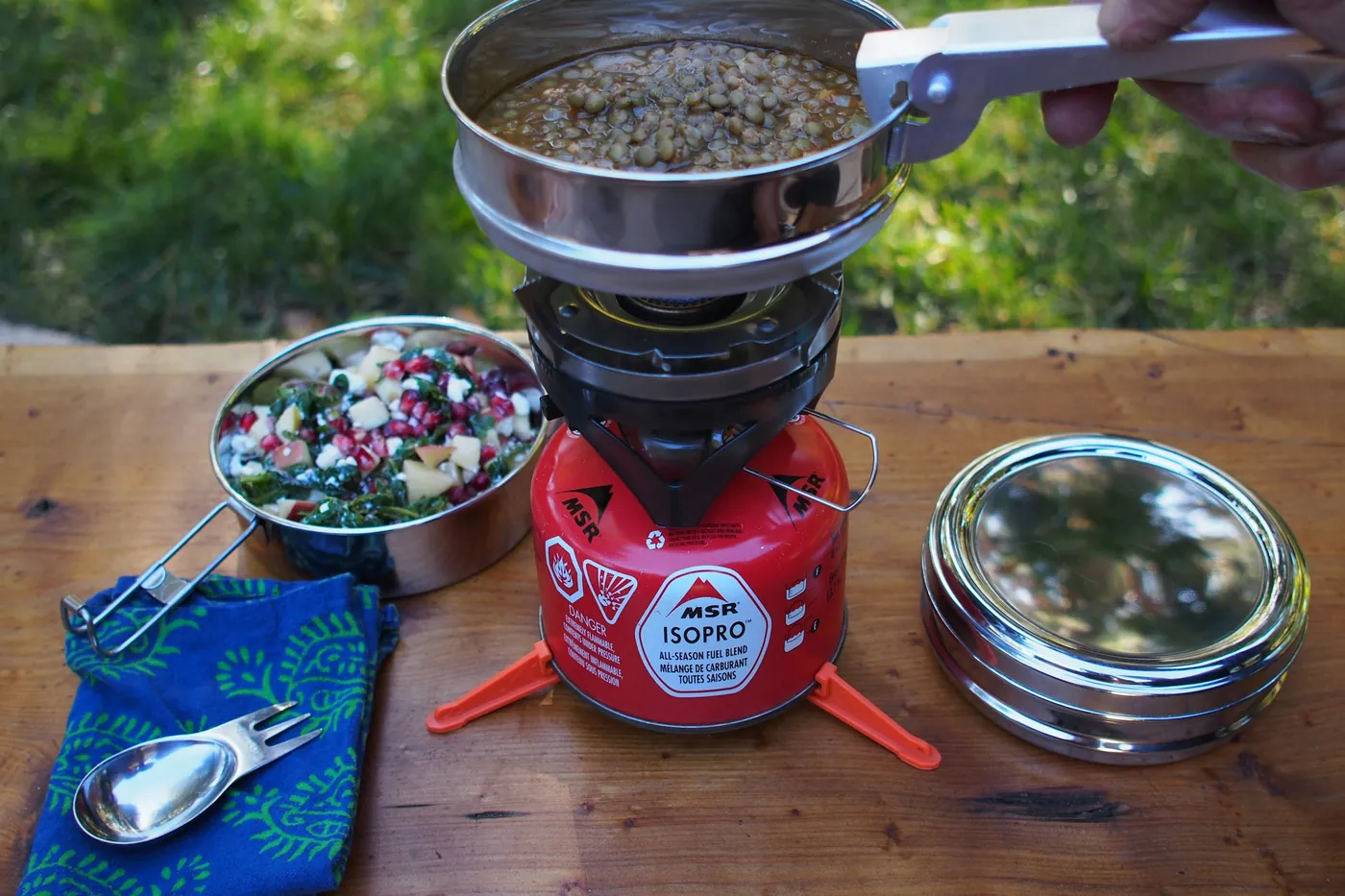
For cooking, Ready.gov notes that alternative sources like candle warmers, chafing dishes and fondue pots can be used, and that charcoal grills and camp stoves are for outdoor use only (Ready.gov).
Video: “How to Prepare an Emergency Kit”, FEMA on YouTube. Loads from youtube-nocookie.com when you press play.
Eight checks before you buy an emergency food kit
- Total calories, not servings. Divide by 2,000 to get person-days. Our cost per day guide does it for every kit.
- Days for your household. A “30-day” kit is for one person; divide by the number of people.
- Water to prepare. 8 to 10 gallons for a month-sized kit, on top of drinking water.
- Heat source. Pouch meals need hot water; staples need 12 to 20 minutes of simmering.
- Allergens and diets. Read each pouch; only trust “gluten-free” when the brand labels it.
- Return policy. From 90 days (4Patriots) to final sale (Augason Farms, Mountain House food).
- Stock and shipping time. On November 15, some stores quoted December or 10 to 12 weeks.
- Storage space. Measure your closet for buckets, or choose a flat tote.
Maintaining your food supply
Ready.gov’s maintenance advice (Ready.gov): keep canned food in a cool, dry place; store boxed food in tightly closed plastic or metal containers; replace expired items as needed; re-think your needs every year and update your kit as your family’s needs change.
Food safety when the power is out
Ready.gov reminds that a refrigerator keeps food cold for about four hours if unopened, and to discard perishable food that has been above 40°F for two hours or more. Its rule is “When in doubt, throw it out” (Ready.gov). Shelf-stable kits are what you eat after the fridge food is gone.
Ready.gov’s food safety do’s and don’ts
From the same Ready.gov page (Ready.gov), the rules that apply to stored food as much as to the fridge:
- Keep food in covered containers, and keep cooking and eating utensils clean.
- Throw away any food that has come into contact with contaminated flood water.
- Throw away any food that has an unusual odor, color or texture.
- Don’t eat food from cans that are swollen, dented or corroded, even though the product may look safe to eat.
- Don’t let garbage accumulate inside, for fire and sanitation reasons.
Canned food or a kit?
Ready.gov notes that commercially canned food may be eaten out of the can without warming, and gives a method to heat food in a can: remove the label, thoroughly wash and disinfect the can (one part bleach to 10 parts water), and open it before heating (Ready.gov). That makes canned food the simplest option without power.
The trade-off is time on the shelf. The USDA storage chart lists low-acid canned goods (soups, stews, beans, vegetables) at 2 to 5 years and high-acid canned goods (juices, tomatoes, fruit) at 12 to 18 months (USDA Food Safety and Inspection Service). Kit brands state up to 25 years for their sealed pouches. Many households keep both: canned food they rotate through weekly meals, and a sealed kit they check once a year.
Food for babies, pets and special diets
Ready.gov’s food list includes food for infants, and its kit list adds infant formula, bottles, diapers and wipes, plus pet food and extra water for your pet (Ready.gov). For formula, Ready.gov says to use ready-to-feed formula, and if you must mix it, to use bottled water, or boiled water as a last resort (Ready.gov). None of the kits we compared covers these needs: plan them separately, and read every pouch label if someone at home has an allergy.
Your shopping checklist
- Write down the number of people and days, then multiply by 2,000 calories (our food storage calculator does it).
- Subtract what is already in your cupboards.
- Pick the kit by cost per 2,000-calorie day, not by servings.
- Add water: one gallon per person per day, plus the kit’s own prep water.
- Add a manual can opener, utensils, plates and cups.
- Add a heat source for outdoor use, its fuel, a pot and matches in a waterproof container.
- Add a marker and a sheet of paper for dates.
- Read the allergens on every pouch the day the kit arrives.
Ready to compare kits against this checklist? Start with the best emergency food supply ranking or the 30-day emergency food supply list.
Our three picks
Same formula as the main ranking; prices checked November 15, 2026.
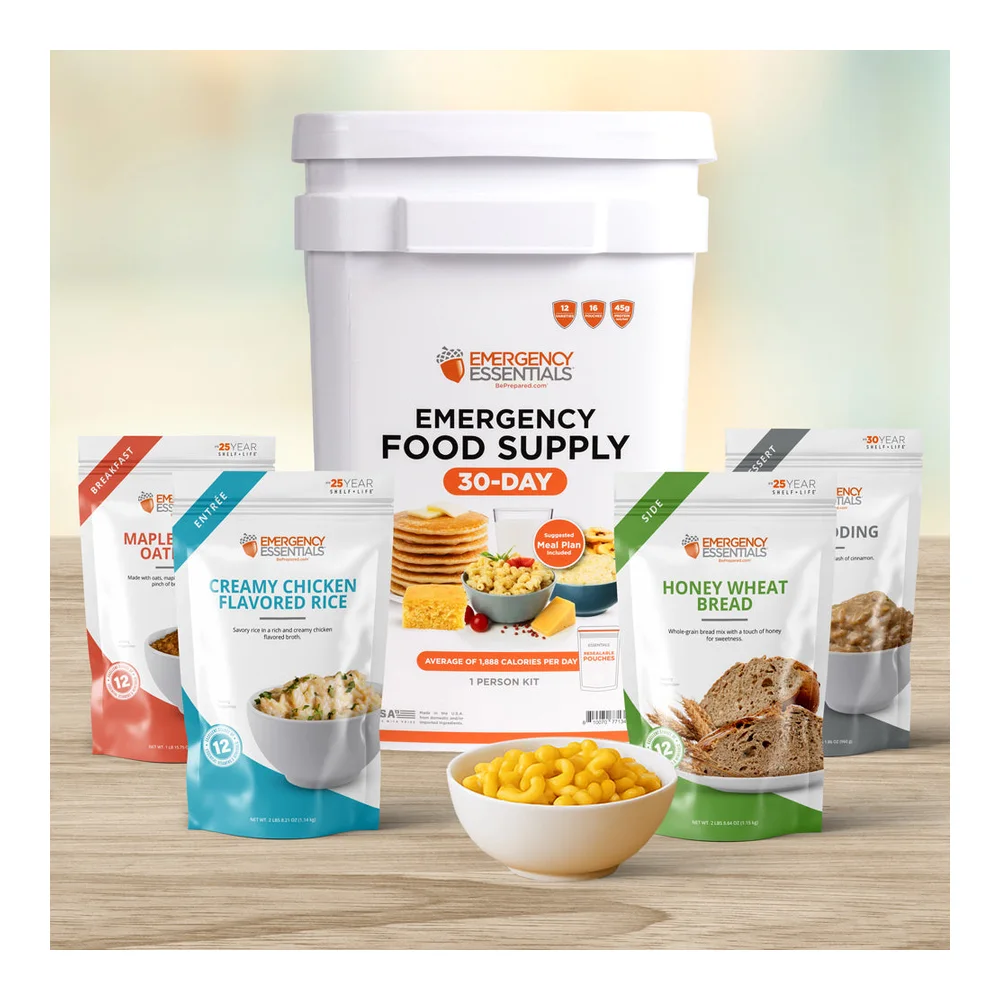
Emergency Essentials 1-Month (30-Day) Emergency Food Kit
28.3 days at 2,000 cal · $6.71 per 2,000 cal
$189.99 at Emergency Essentials · price checked Nov 15, 2026
Sold out at Emergency Essentials on Nov 15, 2026
In stock now: My Patriot Supply 4-Week Emergency Food Supply
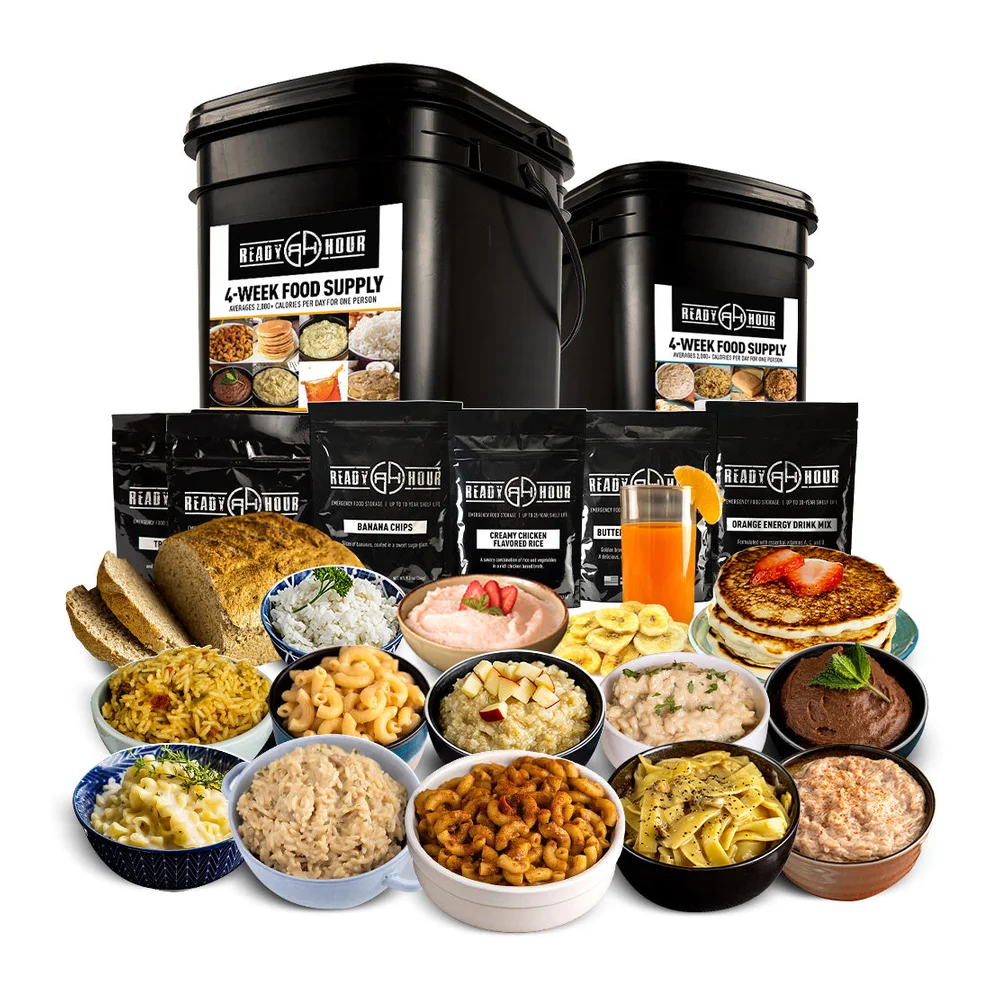
My Patriot Supply 4-Week Emergency Food Supply
28.2 days at 2,000 cal · $9.85 per 2,000 cal
$277.95 at My Patriot Supply · price checked Nov 15, 2026
In stock at My Patriot Supply on Nov 15, 2026
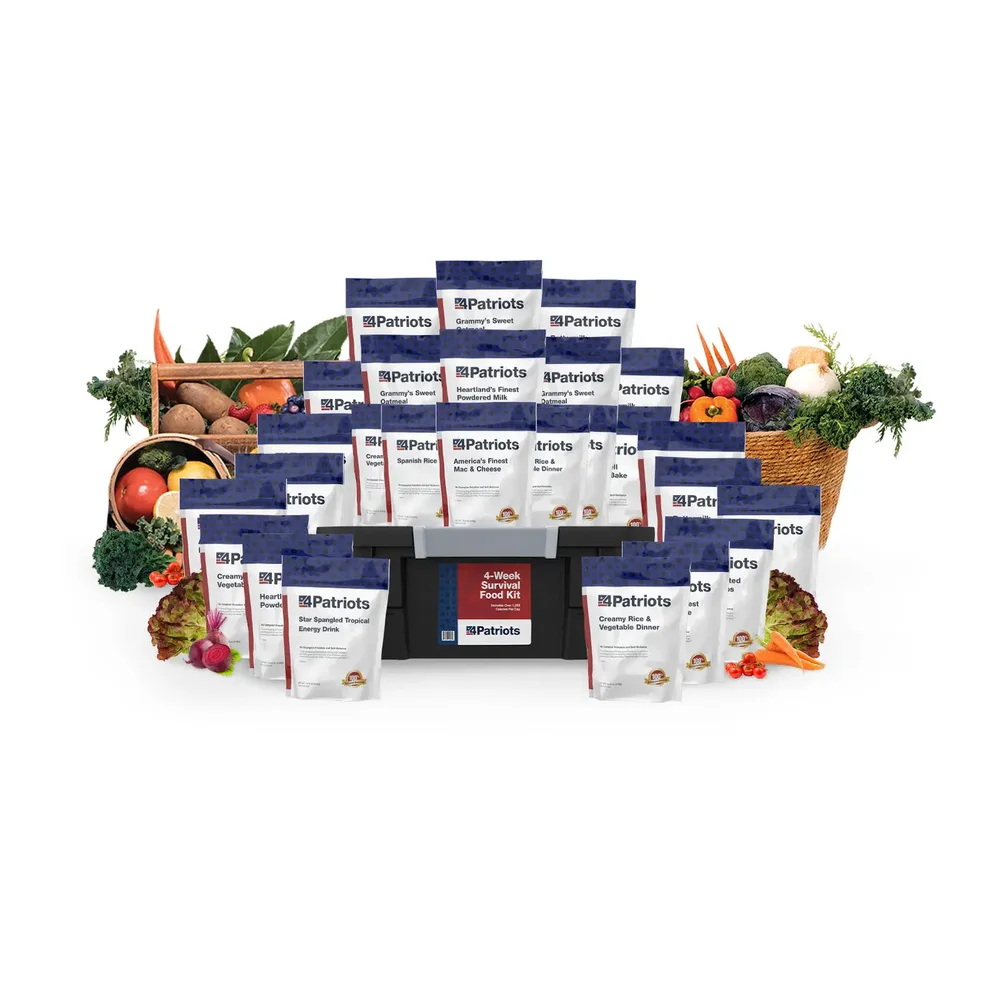
4Patriots 4-Week Survival Food Kit
18.3 days at 2,000 cal · $16.37 per 2,000 cal
$299 at 4Patriots · price checked Nov 15, 2026
In stock at 4Patriots on Nov 15, 2026
Sources
- Ready.gov, “Food” (FEMA), last updated 03/12/2026, read on November 15, 2026
- Ready.gov, “Build A Kit” (FEMA), last updated 07/01/2026, read on November 15, 2026
- USDA Food Safety and Inspection Service, “Shelf-Stable Food Safety”, last updated Oct 24, 2024, read on November 15, 2026
- Brand figures: the product pages linked from each review, read on November 15, 2026
Some links are affiliate links: we may earn a commission at no extra cost to you. It never changes our scores. Disclosure.